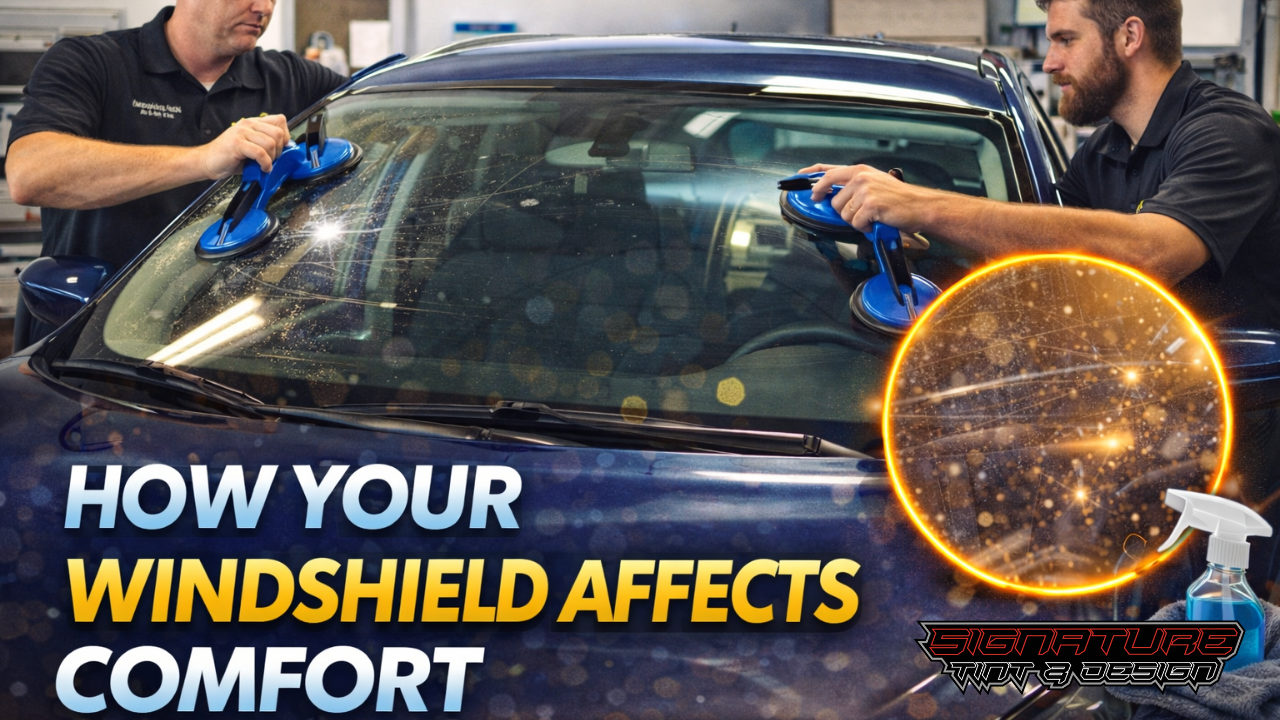

The beginning of a new year naturally puts people in reset mode. We rethink habits, set goals, and look for small improvements that make everyday life smoother. But while many drivers focus on personal resolutions, their vehicle often gets overlooked, even though it’s one of the things they rely on daily.
Your car carries the marks of the past year quietly. Sun exposure, heat, dust, daily commutes, and long hours parked outdoors all leave an impact that builds over time. January is the perfect moment to pause, take stock, and address the things most drivers miss.
1. The Wear You Don’t Notice Happens Gradually
 Most vehicle damage doesn’t appear suddenly. It develops slowly through repeated exposure and daily use. Interior surfaces fade a little at a time. Visibility changes so gradually that drivers adapt without realizing it. Heat builds up day after day, stressing materials in ways that aren’t obvious at first.
According to the National Highway Traffic Safety Administration, visibility and interior condition play a larger role in comfort and driving awareness than many people realize.
Because these changes are incremental, they’re easy to ignore until they become permanent.
2. Habits That Drift Over Time
At the start of ownership, most drivers are careful. Over time, routines slip.
Common habits that quietly disappear include:
- Parking in shade when possible
- Cleaning interior surfaces regularly
- Keeping glass clear inside and out
- Paying attention to glare and visibility
The Environmental Protection Agency notes that UV exposure continues year-round and affects materials long before visible damage appears.
A new year is an opportunity to reset those habits before damage accelerates.
3. Simple Checks Most Drivers Skip
 January is an ideal time to do a few basic checks that don’t require tools or technical knowledge.
Look closely at:
- Windshield clarity, especially in direct sunlight
- Side windows for haze or distortion
- Dashboard surfaces for early fading
- Seats and trim for dryness or stiffness
- Cabin comfort during longer drives
AAA highlights that clear visibility and reduced glare directly affect driver comfort and reaction time.
Small observations now can prevent bigger issues later.
4. Long-Term Protection Starts With Awareness
Protecting your vehicle long-term isn’t about dramatic changes. It’s about consistency.
Simple steps make a measurable difference:
- Keeping interior surfaces clean and conditioned
- Managing glare and visibility
- Reducing prolonged sun exposure
- Paying attention to comfort changes
When drivers understand how wear develops, they make better choices without needing constant reminders.
Frequently Asked Questions
- Why is the beginning of the year a good time to check my car
Because it creates a natural pause to assess gradual changes that are easy to miss during daily routines. - What type of damage builds up most often without being noticed
UV exposure, interior fading, and reduced visibility are among the most overlooked issues. - Do small habits really make a difference long-term
Yes. Consistent, simple habits often prevent the most expensive repairs later. - Is this about maintenance or awareness
Both. Awareness leads to better maintenance decisions over time.
Start the Year With a Clearer Perspective
A fresh start isn’t about fixing everything at once. It’s about noticing what’s changed and making small adjustments that protect what you rely on every day.
If you want guidance on long-term vehicle care or have questions about visibility, comfort, or protection, the team at Signature Tint & Design in Palm Desert is always available to help.
📍 Visit Signature Tint & Design in Palm Desert
📞 Call 760-578-6902
🌐 https://signaturetintdesign.com